 1257 Annapolis Rd. | Odenton, MD 21113
 410-777-5252
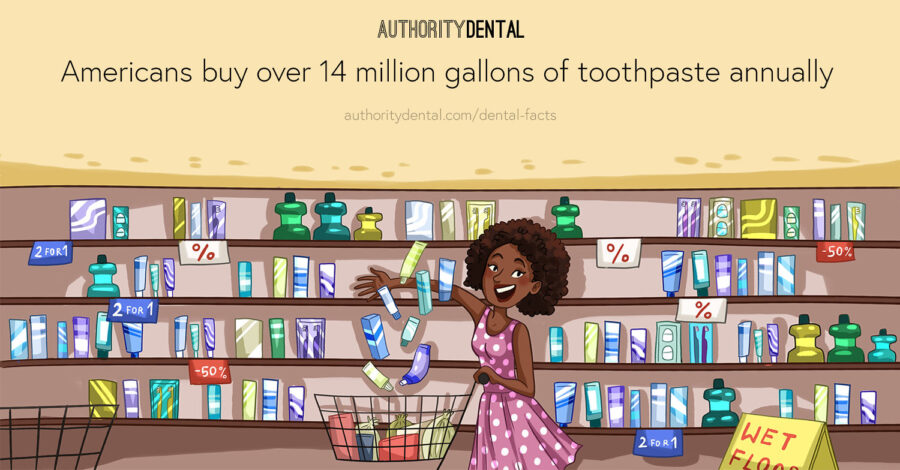
If you’ve ever paused for a second while brushing, you might have wondered what toothpaste actually is.
It’s got that smooth, almost creamy texture, it foams just enough, and it leaves your mouth feeling clean in a way that water alone never could. It’s such a normal part of the day that most people don’t think twice about it—but there’s actually a lot that goes into making something that simple feel so consistent every time you use it.
Behind the scenes, toothpaste is carefully designed to do a few things at once: clean your teeth, help prevent cavities, and make brushing something you’ll stick with long term.
What Goes Into Toothpaste
Toothpaste is really a mix of ingredients that all serve different roles.
There are mild abrasives that help remove plaque and surface buildup, which is part of what you’re addressing during your daily brushing between professional cleanings. These abrasives are gentle enough to avoid damaging enamel but effective enough to make a difference over time.
Fluoride is another key ingredient. It helps strengthen enamel and makes teeth more resistant to decay, which ties directly into preventing the need for cavity treatment or fillings down the line.
There are also ingredients that keep the toothpaste from drying out, along with binders that give it that smooth texture. Then come the flavoring agents, which don’t affect your teeth directly but definitely affect whether you actually want to brush twice a day.
How It All Gets Mixed Together
Once the ingredients are measured out, they’re blended in large mixers that are designed to keep everything evenly distributed.
It’s not just about combining them—it’s about getting the texture right. Toothpaste has to be thick enough to stay on your brush, but soft enough to spread easily across your teeth. That balance is part of what makes brushing feel normal and predictable.
If the consistency is off, even slightly, it changes the experience. And if brushing doesn’t feel right, people are more likely to rush through it or skip it, which is where bigger issues can start to develop over time.
Getting Rid of Air and Smoothing It Out
After everything is mixed, the toothpaste goes through a process to remove trapped air.
This might sound like a small detail, but it actually makes a difference in how the toothpaste behaves. Too much air can make the texture uneven or cause the paste to separate later on.
By smoothing it out and removing those air pockets, the final product is more stable and consistent. It’s one of those steps you’d never notice as a patient, but you’d definitely notice if it wasn’t done properly.
Why Taste and Feel Matter More Than You’d Think
Toothpaste isn’t just about cleaning—it’s also about habit.
If it tastes too strong or feels gritty, people are less likely to brush thoroughly or as often as they should. That’s especially true for kids, but it applies to adults too.
That’s why manufacturers spend time adjusting things like flavor, sweetness, and how much it foams. Those small details help make brushing feel routine instead of something you have to push yourself to do.
And when brushing becomes consistent, it plays a big role in preventing things like plaque buildup, gum irritation, and cavities that might otherwise need treatment later.
From Factory to Your Bathroom Counter
Once the toothpaste is ready, it’s filled into tubes using automated systems.
Each tube is sealed and packaged so that the product stays clean and consistent from the time it’s made to the time you use it at home. It’s a pretty streamlined process, but the goal is simple—make sure every tube works the same way every time.
You don’t think about it when you grab it in the morning, but that consistency is what makes it easy to stick to your routine.
Why Toothpaste Still Isn’t the Whole Story
Even though toothpaste is designed to do a lot, it’s only one part of keeping your teeth healthy.
Brushing helps control plaque and protect enamel, but it doesn’t replace what happens during routine dental cleanings, where buildup is removed from areas you can’t reach at home. It also doesn’t fix issues that have already developed, like cavities or worn areas that may need attention.
That’s why daily care and regular visits work together. Toothpaste supports what you’re doing at home, while your dental visits help catch anything early before it becomes more involved.
Dental Care in Odenton, MD at True Dental
At True Dental in Odenton, MD, Dr. Jai Shin and Dr. Julie Shin help patients connect the dots between daily habits and long-term oral health. Products like toothpaste play an important role, but they’re most effective when paired with regular checkups and a consistent routine.
If you have questions about your oral care products or want to make sure your routine is working the way it should, it’s worth bringing it up during your next visit. A comprehensive dental exam is a good opportunity to take a closer look and make adjustments if needed.
Image from Authority Dental under CC 2.0